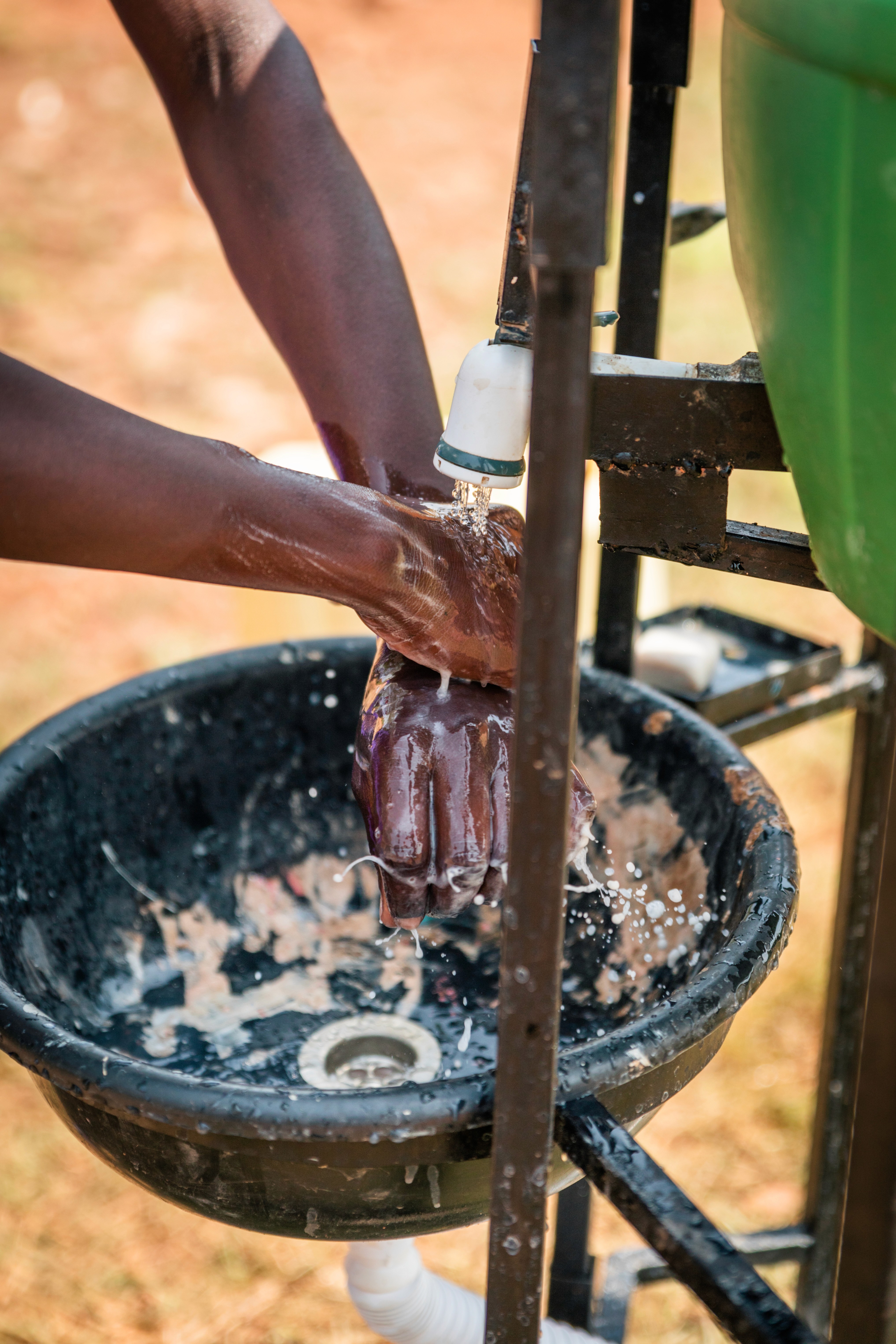
Learn more about our project in Yumbe, Uganda:
Why building wells alone is not enough in Uganda
Imagine that there are water points near your village, but almost half of them do not work properly. Imagine having to decide whether to use the available drinking water for drinking, cooking, or washing. This is exactly the case in Uganda's Yumbe District. Although infrastructure is in place, currently only 55 percent of water points provide safe drinking water.
A new well is a great start, but it does not solve the problem permanently. It takes people to maintain it. It takes fair tariffs so that spare parts can be paid for. And it takes fair rules for everyone who uses the water.
For this reason, our Lighthouse Project in Yumbe focuses on more than just technology. We focus on "systems strengthening" – building reliable structures that endure even after the project's lifespan.
Sustainability through local responsibility
The real challenge is the transition from mere infrastructure to a reliable and safe water supply. This can only succeed if local people are empowered to take responsibility.
That is why we train water and sanitation committees. Handpump mechanics learn how to repair faulty systems quickly. Joint discussions between host communities and refugees lead to fair rules on water use. These local committees ensure that disputes at water points decrease and trust in collective solutions grows.
Climate-resilient WASH services in everyday life
Climate change is making itself felt in Yumbe through irregular rainfall and long dry periods. The groundwater table is dropping, which makes operating conventional hand pumps more difficult.
We respond to this with climate-resilient systems. Solar-powered pumping systems stabilize the supply even during fluctuating water levels. At the same time, we raise people's awareness about protecting local water resources. In this way, we ensure that households, schools, and health centers have access to clean water all year round.
Building a strong foundation for the future
A functioning water system creates peace and stability. It takes the pressure off vulnerable families, such as single refugee women in the Bidibidi settlement, who have to strictly ration what little water they have every day. When we strengthen systems, we permanently improve the lives of these people.
What is specifically changing
☑️ Two hours turn into minutes
A mother no longer has to walk miles every day. She gains time for her family and an income.
☑️ Water is reliable again
A repaired well means: 500 people have access to water at any time – not just when it happens to be working.
☑️ Less illness, more everyday life
Clean water and simple filters reduce diarrheal diseases. Children can return to school regularly.
☑️ Girls stay in class
With functioning sanitation facilities and access to water, school becomes possible again – even during menstruation.
☑️ Less tension, more cohesion
When water is no longer scarce, conflicts between refugees and host communities visibly decrease.
Find out in our third and final post what we are implementing in concrete terms during the first year of the project and how radically transparent we are with your donations.

Global Handwashing Day: Saubere Hände auf der ganzen Welt
Zum Global Handwashing Day zeigen Viva con Agua Indien, Südafrika, Uganda, Tansania und die Schweiz in unserem ersten internationalen Collab-Reel, wie sie den Tag gefeiert haben.
Mehr lesen

398 Kilometer, ganz viel Wasser und unzählige Begegnungen: Der WATER WALK 2026
Zwei Wochen zu Fuß von Kassel nach Hamburg. 14 Etappen. Ein gemeinsames Ziel: sauberes Trinkwasser für alle Menschen. Zum 20-jährigen Jubiläum von Viva con Agua haben wir den WATER WALK auf die Straße gebracht und erlebt, wie viel in Bewegung kommt, wenn Menschen gemeinsam loslaufen.
Mehr lesen

Jahresbericht 2025: 365 Tage All in for Water
Der Jahresbericht 2025 ist da! Er zeigt, was die Viva con Agua Community in einem Jahr voller Aktionen, Begegnungen und Geschichten gemeinsam erreicht hat: Über 158.000 Menschen wurden in unseren Projekten erreicht.
Mehr lesen
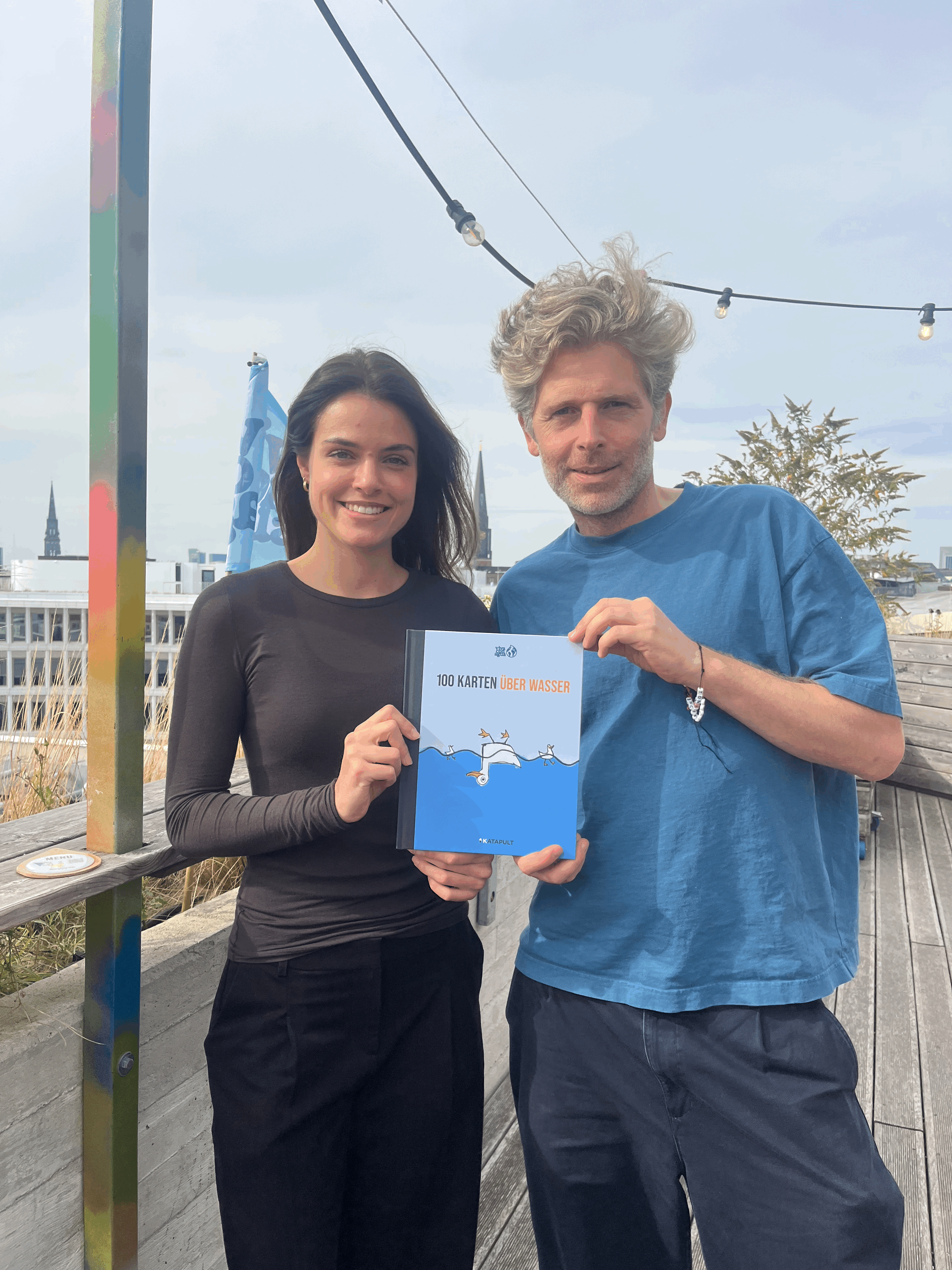
100 Karten, eine Lebensgrundlage: Unser neues Buch ist da!
Was haben Fußball, Nebelfänger und Landesgrenzen eigentlich mit Wasser zu tun? Ziemlich viel. In unserem neuen Buch 100 Karten über Wasser, das gemeinsam mit dem KATAPULT Verlag entstanden ist, schauen wir aus 100 verschiedenen Perspektiven auf unsere liebste Lebensgrundlage.
Mehr lesen